Premises owners who manage food & beverage outlets, commercial or trade premises, play a crucial role in rat prevention and control by maintaining clean and hygienic conditions within their premises. Good housekeeping practices reduce potential areas for rat harbourage and limit rats' access to food sources.
Maintain good housekeeping
Rats thrive in cluttered spaces. Therefore, it is important to ensure good housekeeping by neatly storing items and promptly removing bulky items that may serve as potential nesting sites.
Below are some examples of good and poor housekeeping:
 Good housekeeping Good housekeeping |  Poor housekeeping Poor housekeeping |
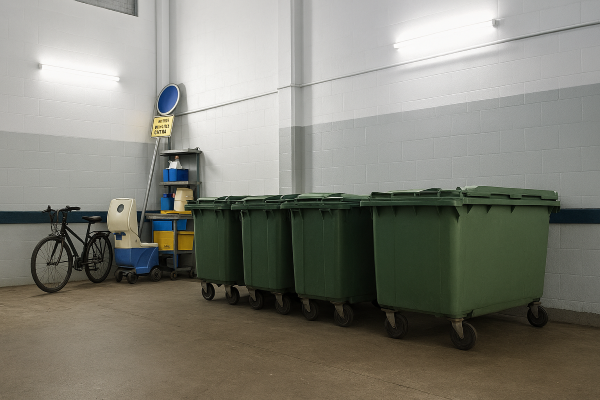 | 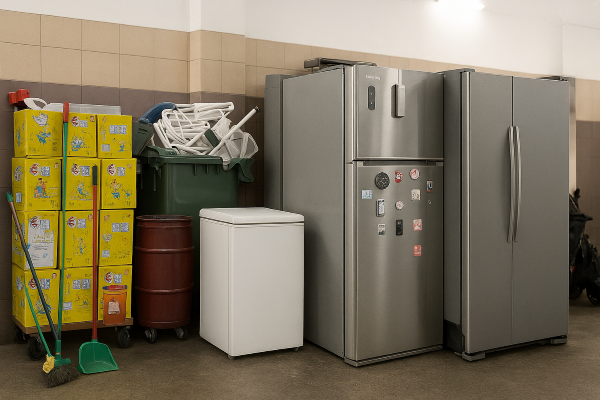 |
| Bulky items are neatly stored and routinely cleared within premises such as bin centres. | Unattended bulky items such as old furniture, appliances can provide harbourage for rats. |
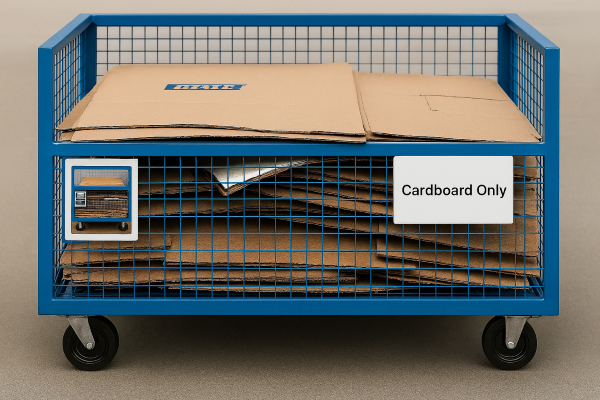 | 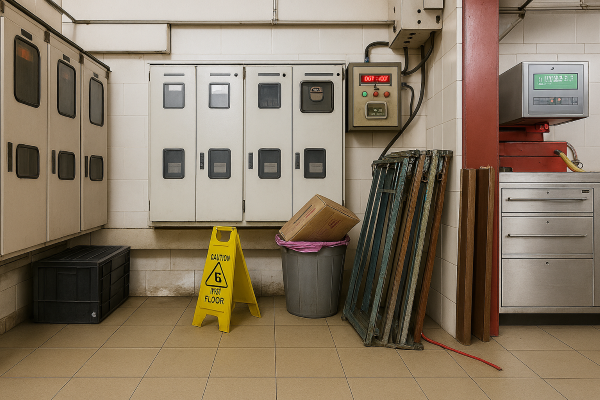 |
| Loose items such as wires, cardboards are neatly stored in confined spaces such as riser room. | Such spaces may become rat harbourage as loose materials can be used to build their nests. |
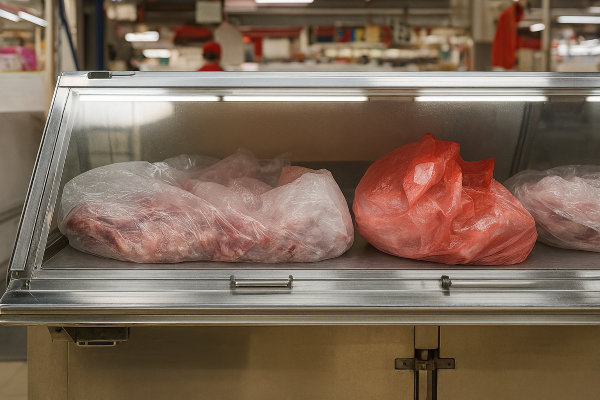 | 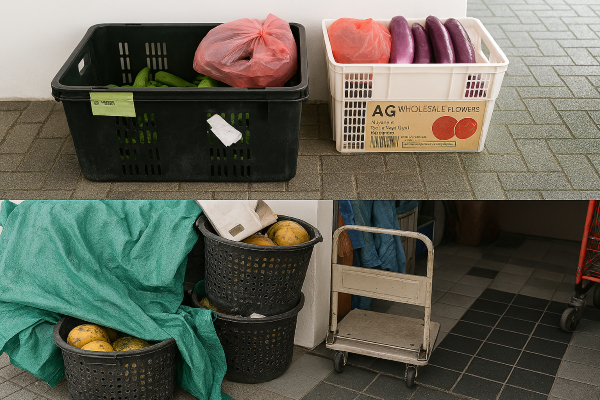 |
| Food items covered and securely stored in containers or storage reduce the likelihood of attracting rats. | Exposed food items attract rats and encourage them to frequent or nest near the premises. |
Proper refuse management
Proper refuse management is an important aspect in minimising risk of rat infestation. Premises owners should regularly maintain individual litter bins, bin centres, bin chutes and centralised refuse chutes (CRCs). Overflowing refuse is one of the most common food sources for foraging rats and may also provide shelter for the rat populations. Hence, they must be kept clean and in good conditions to deter rats from harbouring in these areas.
Below are some steps you can take to ensure proper refuse management:
Remove entry points
Addressing potential access and entry points within premises is often more effective in mitigating rat infestations as compared to reactive or short-term methods. In cases where prevention through infrastructure design is not feasible, premises owners should diligently conduct routine inspections to identify and promptly address any potential issues.
What to do if your premises has rat infestation?
Engage a licensed Vector Control Operator (VCO) to eradicate the rat population.
This should be guided by clear contract specifications for a comprehensive and sustained rat surveillance and control programme tailored to your premises type.
The sample rat control contract specifications for service buyers can be found below:
| Food Establishments / Supermarkets | |
| Shopping Malls | |
| Construction Sites | |
NEA Rat Guidelines
To find out more about rat prevention and control measures for premises owners, a guideline is available below for reference.