What are the early signs of rat infestation?
Early detection of rat infestation signs enables timely intervention and prevents the situation from worsening. Rats reproduce rapidly, with a small infestation potentially growing into a severe problem if left unchecked.
Rats are commonly found in areas that provide food sources, water and shelter. These include bins where food accumulates, turf areas where they can burrow, and nest and back lanes that offer secluded pathways between buildings.
How can I tell if there are rats in my neighbourhood or home?
If there is a rat infestation in your neighbourhood or home, you may observe the following signs.
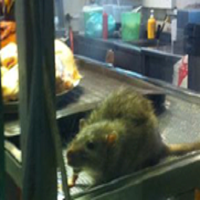 | Live rat sightings Sighting of live rats may indicate presence of a larger infestation as rats are social animals that live in groups. |
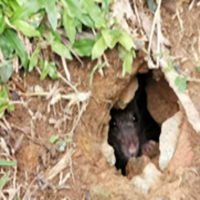 | Rat burrows Rat burrows have round openings about 2 to 4 inches in diameter and may be surrounded by disturbed soil. |
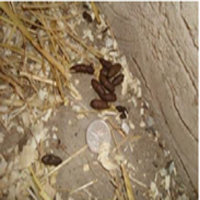 | Rat droppings Rat droppings are small, dark pellets usually found near food sources or along runways leading to hidden nesting areas such as burrows or harbourage. |
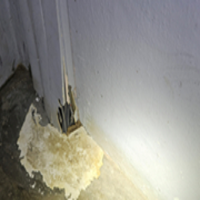 | Rats chew on surfaces and create rough-edged openings on materials such as plastic or cables, causing damage to infrastructure |
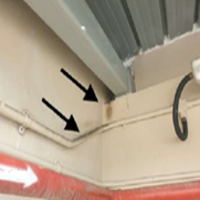 | Rub marks Observed along lower edges of walls or surfaces. Their fur picks up dirt and leaves marks as they frequently run along surfaces, |
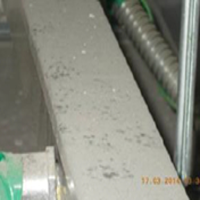 | Footprints Footprints are left by rats when they travel in dusty-areas within indoor premises. |
If you notice signs of rat activity or infestation within your neighbourhood, please report the rat sightings via the OneService app.
Keep rats out before they become a problem for you and your community
The best way to deal with rats is to prevent them from entering in the first place. This is easier and cheaper than trying to get rid of them after they have settled in your home.
Three simple habits you can make your home less attractive to rats:
- Keep your space clean and clutter-free,
- Dispose of rubbish properly in sealed bins,
- Seal any gaps or holes that rats might squeeze through
These steps help ensure rats do not see your home as a source of food and shelter.
Maintain proper food storage and cleanliness
 | Do not leave food waste next to or on top of overflowing waste bins. |
 | Use thick plastic bags to tie food waste securely before disposing of it in bin chutes or covered bins. |
 | Use designated waste disposal areas and place food waste in general waste bins. |
 | Store all food in tightly covered glass or thick plastic containers. |
 | Clean up food crumbs and spills promptly, especially around cooking and dining areas. |
 | Clear any leftover pet food after feeding. |
 | Clear fallen fruits from trees and plants promptly. |
Practise good housekeeping and adopt rat proofing measures
 | Keep premises organised and clear of clutter. |
 | Seal potential entry points such as gaps under doors and holes / cracks in walls. |
 | Inspect and seal any gaps in false ceilings and carry out regular maintenance. |
What to do if you see rats?
Do not attempt to catch or handle the rats yourself. Report the rat sightings to National Environment Agency (NEA) through OneService app. Please provide the following information if possible:
- Exact location and time of rat sighting
- Direction the rats came from and went to
- Photos or videos of the rat
- Estimated number of rats observed
- Frequency of rat sightings
- Any other observations such as food waste or litter in the vicinity of rat sighting
Keep yourself and your loved ones free from rat / rat-flea borne diseases
Rats can carry and spread diseases such as Leptospirosis, Murine Typhus and Hantavirus infection directly or indirectly by contaminating our environment, food and water sources.
Visit the Communicable Diseases Agency website to learn more about Leptospirosis, Murine Typhus and Hantavirus infection. You will find information on how these diseases spread, and the steps you can take to protect yourself and your family from infection.
Both humans and animals can be infected with Leptospirosis. Pet owners may visit the NParks' Animal and Veterinary Services website to find out how to protect your pet from Leptospirosis.
More information can be obtained from the Rat Checklist for Homeowners.